 Certified Instructor

123456789
Certified Instructor
123456789
Upcoming In-Class Session
08 Nov 2026
Certified Instructor
123456789
Certified Instructor
123456789
Upcoming In-Class Session
08 Nov 2026
Driving is an essential part of our daily lives, but it also comes with risks. Every time we get behind the wheel, we face potential dangers on the road. Defensive driving is a skill that can help you avoid accidents and keep both you and others safe.
At Wascana Driving School, we believe that being proactive is the key to safety. In this guide, we explore what defensive driving is, why it’s important, and how you can practice it every time you drive.
Defensive driving refers to the practice of being proactive and cautious behind the wheel. It involves anticipating potential hazards, making safe decisions, and avoiding risky behaviors that could lead to accidents.
The main idea is to drive in a way that minimizes your chances of getting into a crash, even if other drivers are behaving irresponsibly.
Defensive driving focuses on three key principles: awareness, patience, and preparation. By mastering these, you can reduce your risk of accidents and handle difficult driving situations with confidence.
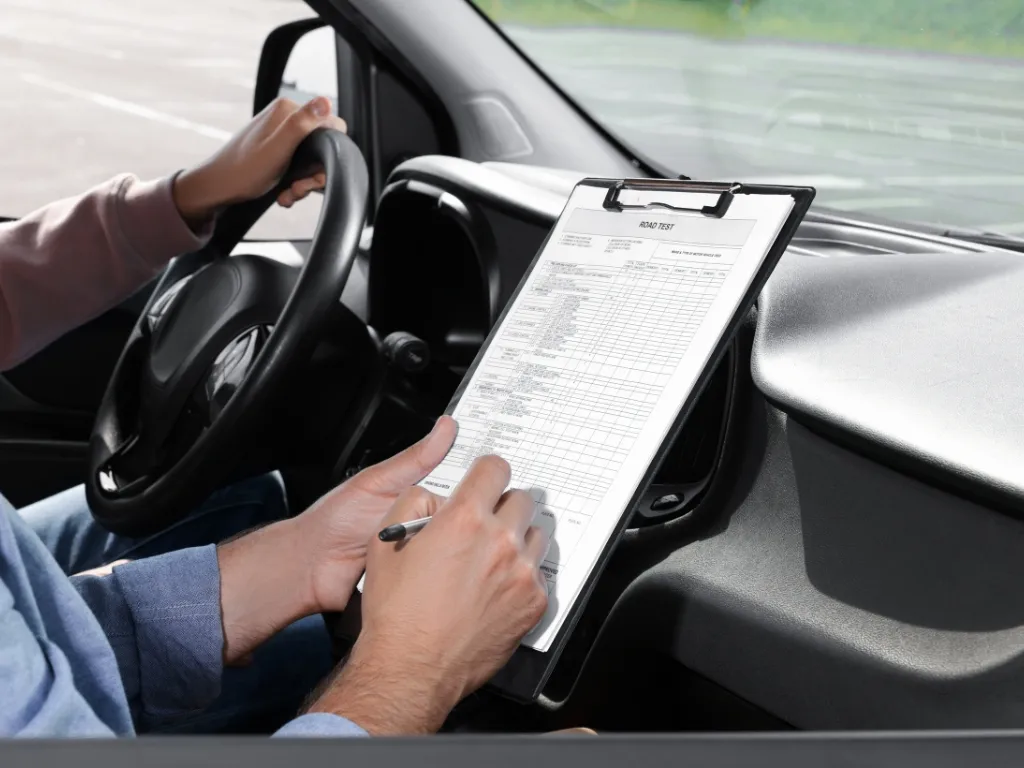
Accidents can happen at any time, but defensive driving helps you stay alert and ready for unexpected situations. Whether it's a sudden stop, a distracted driver, or bad weather conditions, defensive driving ensures you're prepared. Here are some reasons why defensive driving is crucial:
To practice defensive driving, you need to follow some simple but effective strategies. Here are some key tips to help you drive more safely:
Distracted driving is one of the leading causes of accidents. Whether it’s texting, talking on the phone, or adjusting your GPS, distractions can take your attention away from the road. Stay focused and avoid multitasking while driving.
Speeding reduces your ability to react to sudden dangers and increases the severity of accidents. Always obey speed limits and adjust your speed based on weather conditions and traffic flow. Remember, the faster you drive, the less time you have to stop or react in an emergency.
Tailgating is dangerous. If the car in front of you stops suddenly, you might not have enough time to react. To avoid this, keep a safe following distance of at least three seconds between you and the vehicle ahead. This gives you more time to respond if something unexpected happens.
Before changing lanes, always check your blind spots. Many accidents occur when drivers fail to notice vehicles in these areas. Use your mirrors frequently and perform shoulder checks to ensure it’s safe to move.
Turn signals are not just for indicating your next move; they also give other drivers time to react to your intentions. Always use your turn signals when changing lanes, turning, or merging. This simple step can prevent a lot of confusion and accidents.
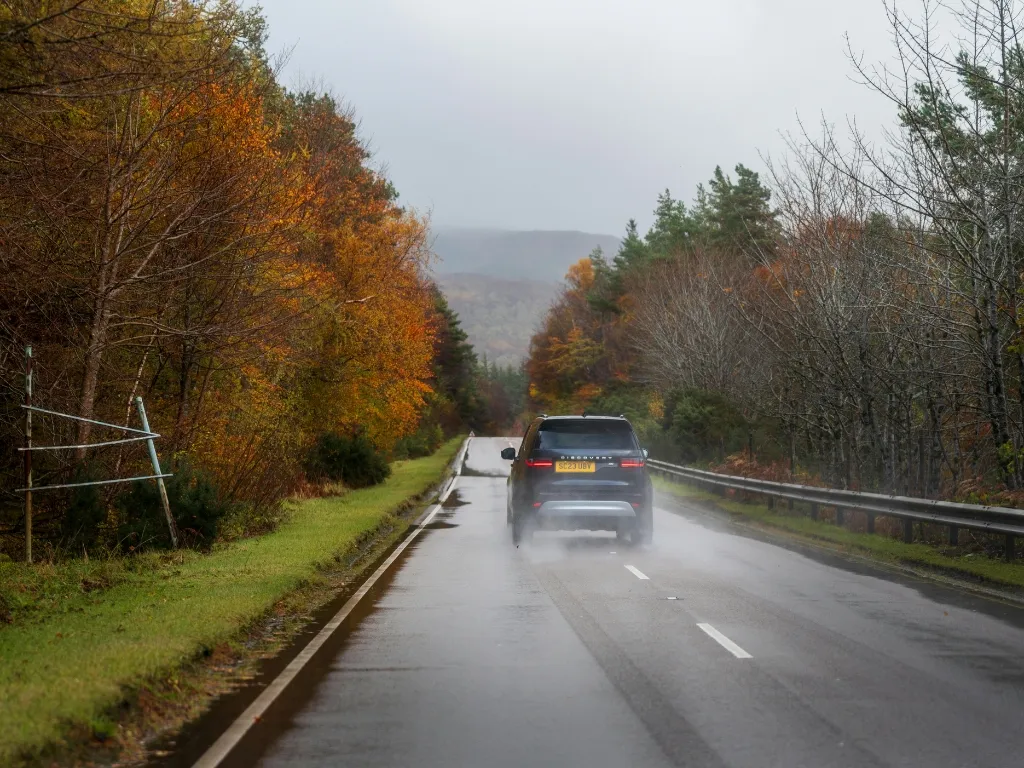
Bad weather, such as rain, snow, or fog, can make driving more challenging. If conditions are poor, slow down and increase your following distance. You should also keep your headlights on in low-visibility conditions, and always make sure your windshield wipers are working properly.
Aggressive driving is a major cause of accidents. If you're in a hurry or frustrated, it's easy to make rash decisions. Defensive driving involves staying calm and patient, no matter how other drivers behave.
Take deep breaths, and remember that staying safe is more important than reaching your destination quickly.
If you want to improve your skills, consider taking a defensive driving course. These courses teach you techniques for handling difficult driving situations, and many insurance companies even offer discounts for completing them.
Defensive driving courses can be part of your overall driver training. We teach important skills such as hazard detection, emergency maneuvering, and maintaining proper road etiquette. It’s a great way to boost your confidence and become a safer driver.
Defensive driving is not just about avoiding accidents; it’s about creating a safer environment for everyone on the road. By staying focused, following the rules, and being prepared for unexpected situations, you can protect yourself, your passengers, and other road users.
If you're looking to improve your driving skills, consider enrolling in a defensive driving course at Wascana Driving School. Stay safe, stay aware, and always drive defensively.

1. What are the main goals of defensive driving?
The main goals are to anticipate potential hazards, stay alert, and make safe driving decisions to avoid accidents.
2. Can defensive driving help with insurance discounts?
Yes, many insurance companies offer discounts to drivers who complete a certified defensive driving course.
3. How can I stay calm in stressful traffic situations?
Practicing patience, deep breathing, and focusing on the task at hand can help you stay calm during stressful driving situations.
4. Is defensive driving only for new drivers?
No, defensive driving is beneficial for all drivers. Whether you're preparing for a road test or simply want to improve your safety on the highway, these skills reduce the risk of accidents.