 Certified Instructor

123456789
Certified Instructor
123456789
Upcoming In-Class Session
18 Oct 2026
Certified Instructor
123456789
Certified Instructor
123456789
Upcoming In-Class Session
18 Oct 2026
One of the most common questions new drivers ask is: "How many driving lessons do you need before a road test?”
The honest answer is that there is no single number that fits everyone. Some learners build confidence quickly, while others need more practice to feel ready in real traffic situations. What matters most is not hitting a specific lesson count. What matters is whether you can drive safely, consistently, and calmly in the kinds of situations you are likely to face during your test.
For students comparing options, reviewing rate services can be a good starting point when planning how much instruction and practice may make sense for your situation.
Driving lessons are not just about time behind the wheel. They are about developing judgment, control, awareness, and confidence.
A student who has already had supervised practice may need fewer formal lessons than someone starting from the beginning. Another student may know the basics but still needs more coaching for parking, lane changes, intersections, or test-day nerves.
That is why lesson count should be based on readiness, not guesswork.
Several factors can influence how many lessons make sense before your road test.
If you have already spent time practicing with a supervising driver, you may be building on existing skills. If you are brand new, you may need more guided practice.
Some students know the basic controls but feel nervous in traffic, at busy intersections, or during parking. Lessons often help turn that uncertainty into more consistent decision-making.

Students who practice between sessions usually improve faster than those who rely only on formal instruction. Repetition matters.
You may feel comfortable driving straight, but still need help with:
The more targeted your lessons are, the more useful each session becomes.
A good driving lesson is about more than completing a route. It helps you improve the habits that matter during the test and after you get your licence.
That often includes:
The goal is not just to pass the test. The goal is to become a safer driver overall.
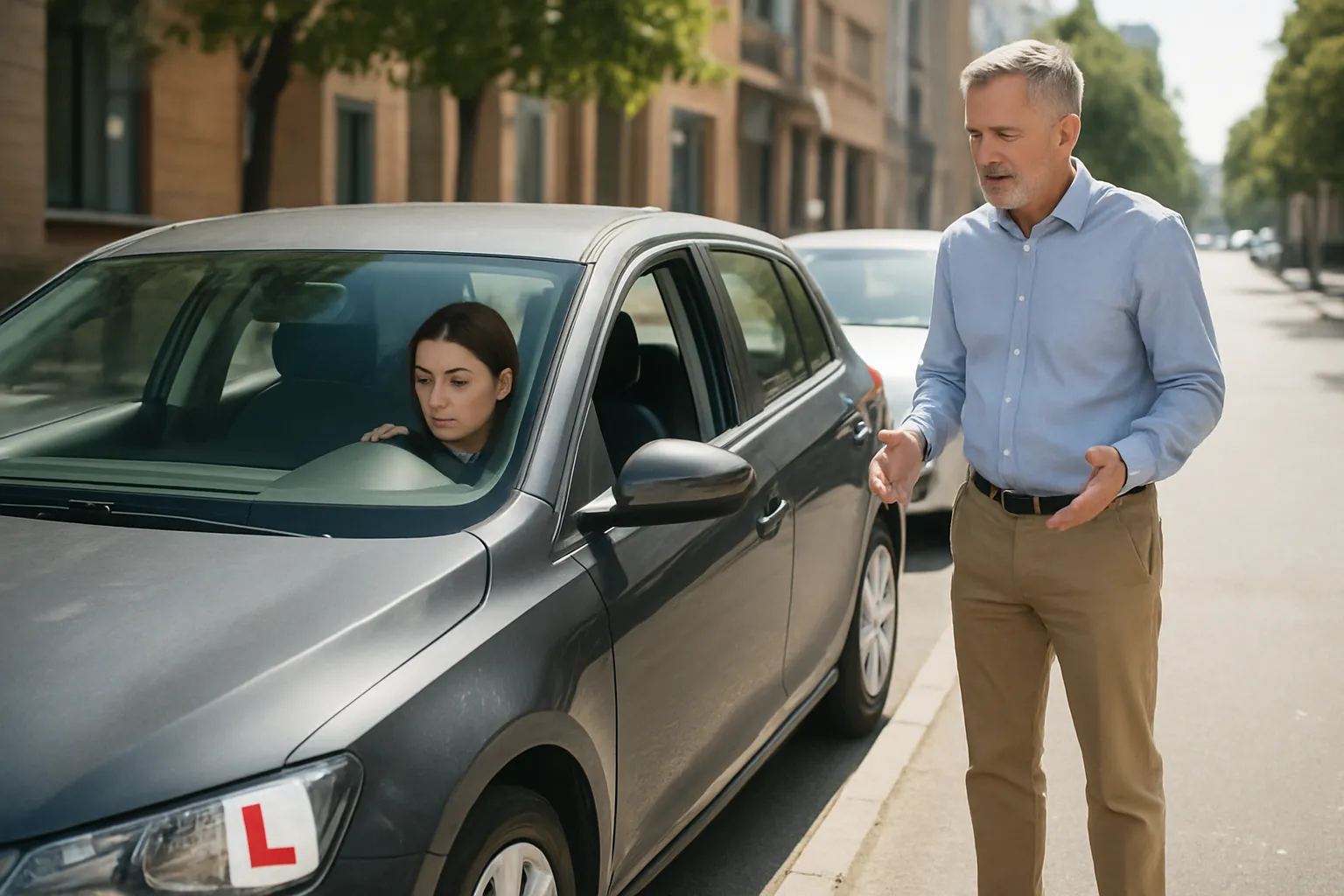
Most students are getting close to road-test readiness when they can drive with less prompting and more consistency.
Good signs include:
You do not need to be perfect. You do need to show that you can drive safely and responsibly.
A lot of learners make the same mistake: they book the test too early because they hope it will all come together on the day.
That can lead to problems like:
A smarter approach is to build readiness first, then time the test around that.
Practice is important, but not all practice is equally useful. Students sometimes repeat the same weak habits when practicing without feedback.
That is where a structured program and a clear registration procedure can help. Lessons are most valuable when they identify errors early and give you a better routine for correcting them.
You should usually think about booking once you can handle the core parts of driving more consistently and your instructor believes you are close to test level.
If you are already reaching that stage, reviewing the school’s road test booking information can help you plan the timing more effectively.
Before booking, ask yourself:
If the answer to several of these is still “not yet,” a few more lessons may be worth it.
Driving confidence is not only about physical skill. It also helps to stay sharp on the rules, expectations, and common situations that show up before and during the test.
That is where the school’s FAQs and practice quizze can support your preparation alongside actual time behind the wheel.

There is no perfect number of lessons that guarantees a pass. Some students need fewer. Some need more. The better question is whether you are truly ready to show safe, controlled, and consistent driving on test day.
That mindset usually leads to better preparation and less stress.
If you are trying to figure out how many lessons make sense before your road test, the best next step is to build a plan based on your current skill level instead of guessing. Starting with the right amount of instruction can save time, improve confidence, and make the test feel more manageable.
There is no exact number for everyone. It depends on your experience, confidence, practice time, and how consistently you can drive safely.
Some learners may, especially if they already have supervised practice. Others need more instruction to be fully ready.
Practice helps a lot, but lessons can be valuable because they give structure, feedback, and correction of bad habits.
It is usually better to book when your skills are more consistent and you have a realistic sense of readiness.
Quality of driving matters more. Safe habits, confidence, and consistent performance are what really count.